Charlie McClendon Retires on Wednesday, Sept. 10
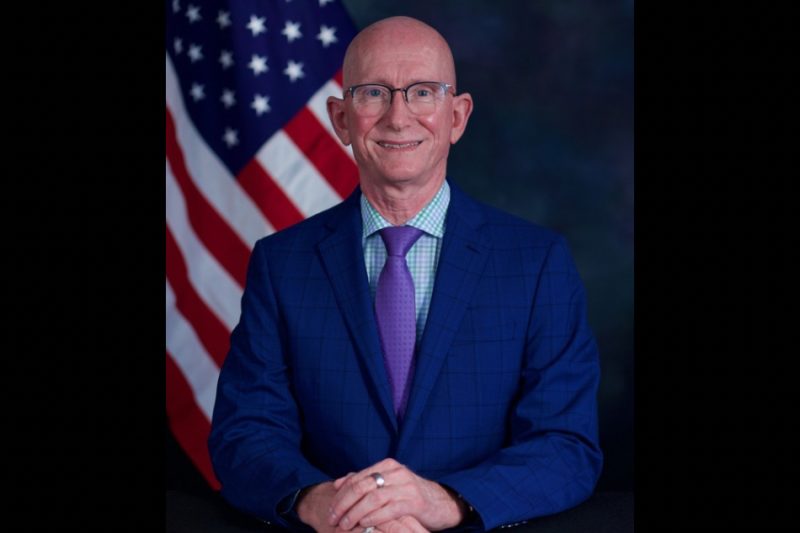
CATHEDRAL CITY — Sir Robert Baden-Powell, the founder of the Boy Scouts, told scouts to “try to leave this world a little better than you found it” in his last message. Not sure if City Manager Charles “Charlie” McClendon was ever a Boy Scout, but he sure left Cathedral City better than he found it.
After 11 years as City Manager, McClendon will retire leaving behind a rich legacy of success.
As Chris Parman, former communications and events manager, said, “Charlie—you’ve left an extraordinary legacy.”
McClendon was the driving force behind transforming Cathedral City from a pass-through town into a true destination, Parman said.
Over the past 11 years, his leadership has strengthened the city’s finances, which in turn enhanced vital services like police, fire, and ambulance response. Cathedral City now boasts beautiful new parks, the Cathedral City Community Amphitheater, and the first completed segment of the CV Link.
McClendon led the development of the Downtown Arts & Entertainment District, which revitalized the city’s urban core with the refurbished Mary Pickford Theatre, CV Rep, the Agua Caliente Casino, and a host of new restaurants, lounges, and shops. His influence extended citywide—with new housing developments, shopping centers, hotels, and creative reuse of vacant properties.
He also supported the launch of signature events that brought energy and pride to our community, including the Cathedral City International Hot Air Balloon Festival, Taste of Jalisco Festival, and Cathedral City LGBT+ Days. He championed community favorites like the Halloween Spooktacular, Snow Fest, Yoga in the Park, and Taste & Sounds of Cathedral City.
Before he departs, Uken Report posed one last series of questions to Charlie.
UR: How would you describe Cathedral City on the day you arrived compared to today?
Charlie McClendon: The biggest difference is probably in the feeling of what’s possible for the city. When I first arrived, it was soon after the Great Recession and the elimination of the redevelopment agencies. The city had to lay off employees, and the organization was struggling with the feeling that we can’t do anything. The community, to an extent, shared that feeling. The difference now is that we know there are things we can do, there are things we have done, and we’re committed to building a bright future for the community.
UR: hat has been the biggest change?
Charlie McClendon: Other than the change in mindset I just described, I would say having the finances of the city in order where we can see our way to a sustainable future, and then the development that has occurred. The downtown area was covered with vacant lots, and many still remain, but we’ve got the casino now, the amphitheater, the festival lawn, the development across the street from the casino. We’ve built two parks that were on formerly vacant property.
UR: What has been the biggest challenge in the past decade?
Charlie McClendon: The biggest challenge has been addressing the community’s demands for services in a way that maintains our financial solvency. It’s difficult because Palm Springs to the west of us, Rancho Mirage to the east of us, both are far wealthier communities than we are, and people look at things happening in those communities and wonder why we can’t do those things. Many of them we can do, but we have to do it in a way that doesn’t mortgage our future. The financial constraints and dealing with those in a responsible manner is probably the biggest challenge.
UR: What are you most proud of achieving in your tenure?
Charlie McClendon: I’m really proud of the fact that the community started with a resident committee a couple of years ago, looked at things they wanted, developed a plan that was recommended to the city council, which turned into Measure W that was approved by 74% of the voters. I’m proud that the community trusted us enough to vote for that and that they wanted Recreation and Park Services, better response times for emergency medical, improved neighborhood streets and a Community Center, and were willing to say, yes, we’ll tax ourselves for that.
UR: What was the most challenging issue or time for you?
Charlie McClendon: Dealing with COVID was a challenge because we had to change the way we did many things to protect our employees and the public. However, we also had to face the fact that many of our services could not be done remotely – police protection, fire protection, building inspections, all of those had to continue. So we had to implement the best possible methods to make sure employees were protected to the extent possible, while understanding that those services had to be done regardless of what was going on in the broader world.
UR: How did you delicately manage calling the City Council “on the carpet” without risking your job?
Charlie McClendon: Any city manager has to understand their job is to implement the policy decisions made by council. In the course of leading up to making those decisions, sometimes we would have discussions, and I would try to ask questions if there was something I thought maybe wasn’t completely thought through yet. I’d ask “Have you thought about this? What do you think will happen if we do that?” to help council members come to what I thought was a sound decision, while understanding that regardless of whether I agreed with it or not, my job was to implement their decisions.
UR: What will you miss most about being city manager?
Charlie McClendon: Being able to go around the community and see things that were done that helped make people’s lives better because of what the city was able to do – new developments, new streets, new parks, programs that help people deal with their daily lives better.
UR: Will you remain living in Cathedral City after retiring?
Charlie McClendon: The plan is to stay here.
UR: Is there one single City Council meeting you will never forget?
Charlie McClendon: Probably the most memorable was a study session in July 2020 when we were dealing with the recommendations made by the committee studying short-term vacation rentals. There were literally hundreds of recommendations, and I stood up at the podium for hours going through those with city council. It was difficult because there was a lot of disagreement, both within the community and among council members, but there was so much detail and so many things that had to be worked through to come up with the ordinance that was ultimately implemented that fall.
UR: What are you going to do with all your free time?
Charlie McClendon: Over the short term, I’m going to do as little as possible. We’re going to remodel our house. After that, I’m going to find a place where I can put my skills and abilities to use serving the community in a different way.
UR: What is your favorite thing about Cathedral City?
Charlie McClendon: The residents that I have come to know through my involvement with the boards and commissions, the various ad hoc study committees that we’ve had. Almost anywhere I go, I can run into somebody who I’ve dealt with, and mostly that’s been positive contacts. The relationships with the people in the community probably is the best thing.
UR: What advice do you have for your successor?
Charlie McClendon: The most important thing for a city manager is to get to know and understand your council members. Understand why did they run for public office? What do they want to accomplish? Why are they doing what they’re doing? If you understand those things, then you’re in a better position to understand the policy decisions they make so that you can implement them correctly and help them develop sound policies.
Image Sources
- Charlie McClendon: City of Cathedral City